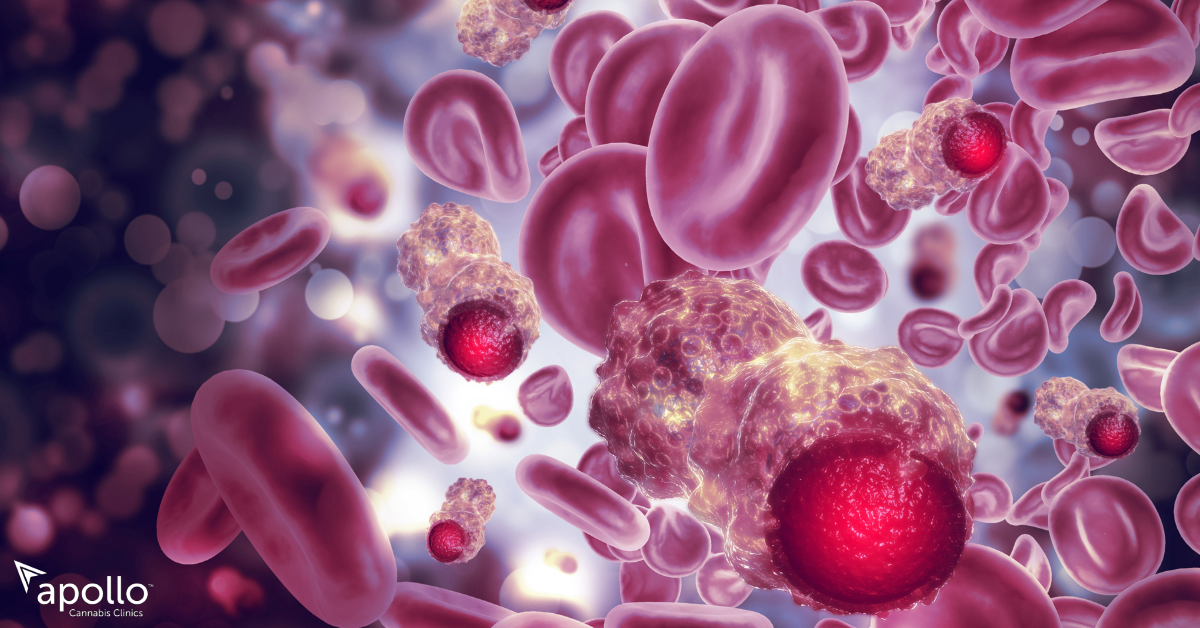
How To Manage CLL Cancer Symptoms with Medical Marijuana
What is CLL Cancer? Chronic Lymphocytic Leukemia (CLL) is a type of blood cancer that affects the bone marrow and lymphatic system. It’s a slow-progressing

If You Are:
If You Are:
Being “down in the dumps” is a normal part of life but when someone experiences depression it is far more involved. Depression is an extended period of despair that can affect well-being, emotions, employment and even physical health.

Living with depression can make everyday life feel overwhelming and hopeless. As a common mental health condition affecting millions of Canadians, depression doesn’t just impact mood – it can affect your entire well-being, relationships, employment, and physical health.
Depression is far more than simply feeling “down in the dumps” – it’s a pervasive feeling of sadness or even apathetic indifference to life in general. It can encompass day-to-day life and drain a person to the point of helplessness, making even simple tasks feel impossible.
Depression manifests differently in each person, but common symptoms can significantly impact daily functioning at work, in relationships, and at home.
Depression comes in several forms, each with unique characteristics and treatment considerations:
Some people may only experience depression once (or hopefully never!) but others can have depression that recurs throughout their lives. Despite this, it can be monitored and treated to reduce symptoms and probability of it resurfacing.
This type of low-grade depression is where feeling depressed becomes regarded as a normal part of one’s personality. It is long-lasting and may go unrecognized due to its sense of “normalcy” in the patient.
Otherwise known as “manic” depression, bipolar disorder involves varied mood swings. These episodes can include impulsive behavior, hyperactivity, and poor sleep. Treating bipolar is much different than regular depression.
Also known as winter depression, SAD is when people feel a surge of depression during the winter months, impacting activities, social life, and mood. It usually remains until late spring or early summer.
This mood disorder affects new parents, mostly mothers. It is usually attributed to chemical and hormonal changes in the brain, along with sleep deprivation.
Depression can affect people very differently, with many conflicting or contradicting symptoms. The following symptoms may be emblematic of someone going through clinical depression:
A common misconception is that anxiety disorders and mental illnesses can just “go away” on their own. Mental illnesses require attention, diagnosis, and treatment like any other clinical illness. Traditional treatments typically involve therapy, medication, or a combination of both, but these don’t work optimally for everyone. Side effects and limited effectiveness have led many Canadians to explore alternative options, including medical cannabis.
Research into cannabis for depression is growing, with promising early results. The endocannabinoid system plays a crucial role in mood regulation, and cannabis contains compounds that interact with this system.
The effectiveness of cannabis for depression may be linked to how it interacts with the brain’s neurotransmitter systems. People with depression often have imbalances in serotonin, dopamine, and other neurotransmitters that affect mood and emotional regulation.
Here’s how cannabis may help:
This interaction between the endocannabinoid system and mood regulation might explain why some people report decreased depression symptoms when using cannabis, often without the harsh side effects associated with traditional antidepressant medications.
It’s important to note that research is still developing in this area. Individual responses vary, and cannabis should be used under proper medical guidance.
For Canadians struggling with depression, medical cannabis may offer several potential benefits:
Many patients report improvements in core depression symptoms, including:
Others find cannabis helpful as a complementary treatment to address the side effects of conventional antidepressant medications:
| Traditional Depression Medication Concerns | Potential Cannabis Benefits |
| Delayed onset (2-6 weeks for effect) | Some patients report faster symptom relief |
| Sexual dysfunction side effects | Fewer reported sexual side effects |
| Weight gain concerns | Different mechanism of action |
| Emotional numbing | Potential for maintained emotional range |
While not everyone experiences these benefits, many patients report meaningful improvements in their quality of life when incorporating medical cannabis into their depression treatment plan under proper medical supervision.
Medical cannabis comes in various forms, each with different onset times, durations, and potential benefits for depression management. Finding the right option depends on your specific symptoms and lifestyle needs.
Many depression patients find that a combination approach works best—perhaps using a longer-acting oil for day-long symptom management with a faster-acting option for breakthrough symptoms.
Your healthcare provider can help determine which forms might work best based on your specific depression symptoms, daily schedule, and previous experience with cannabis.
If you’re considering medical cannabis for depression in Canada, here’s how to begin the process:
To determine if medical cannabis may be appropriate for your situation:
Our streamlined process makes it easy:
If approved, you’ll receive:
Our care doesn’t end with your prescription:
Starting medical cannabis treatment for depression is a significant decision. Our team of healthcare professionals specializes in cannabis medicine and can help you navigate this process safely and effectively through online prescription services across Canada.
An important consideration for anyone with depression is how medical cannabis might interact with other medications, particularly antidepressants.
These interactions could affect how your medications work or potentially cause unwanted effects.
For your safety, always:
A comprehensive consultation with a healthcare provider at Apollo Cannabis is essential to ensure your treatment plan considers all aspects of your health, providing the best opportunity for successful symptom management with your online prescription.
Finding the right cannabis dosage for depression management is a personalized process requiring individualized guidance. While we recommend consulting with a healthcare professional for personalized advice, here are some general principles:
These general guidelines are based on standards from The College of Family Physicians of Canada but must be tailored to your specific needs by a healthcare provider during your online consultation
Remember that cannabis affects everyone differently, and finding your optimal dosage may take time and patience. Working with a healthcare provider experienced in cannabis for depression can significantly improve your results when getting an online prescription in Canada.
Find everything you need to know about being a medical cannabis patient below.
Yes, medical cannabis is legal in Canada with a valid prescription. While depression isn’t automatically qualifying, healthcare providers can prescribe cannabis if they determine it may benefit your condition, especially when conventional treatments have been inadequate.
Not typically, though individual responses vary. Most patients who respond well to cannabis report improved mood and reduced symptoms. Finding the right strain, formulation, and dosage is crucial—products with balanced CBD/THC ratios often provide benefits with minimal side effects.
Some private insurers now offer coverage for medical cannabis, but coverage varies widely. Check with your insurance provider about specific policies. Many patients also qualify for medical cannabis expenses as tax deductions.
CBD (cannabidiol) and THC (tetrahydrocannabinol) affect depression symptoms differently:
Yes, many patients use medical cannabis alongside traditional antidepressant medications. However, dosage adjustments may be necessary, and some interactions are possible. Always inform your healthcare provider about all medications you’re taking to ensure safe treatment.
Medical cannabis prescriptions in Canada typically need renewal every 3-12 months, depending on your healthcare provider’s recommendation and your treatment response. Regular follow-ups help ensure the treatment remains effective and appropriate.
No, medical cannabis is typically used as a complementary treatment rather than a replacement for existing therapies. Never discontinue prescribed medications or therapy without consulting your healthcare provider.
What is CLL Cancer? Chronic Lymphocytic Leukemia (CLL) is a type of blood cancer that affects the bone marrow and lymphatic system. It’s a slow-progressing

Panic attacks are sudden episodes of intense discomfort or fear, typically ranging from 3-30 minutes. They are characterized by intense and often overlapping physical and

“We have demonstrated that regulated medical cannabis products can be incorporated into the care of cancer patients safely and effectively. After three months, the patients