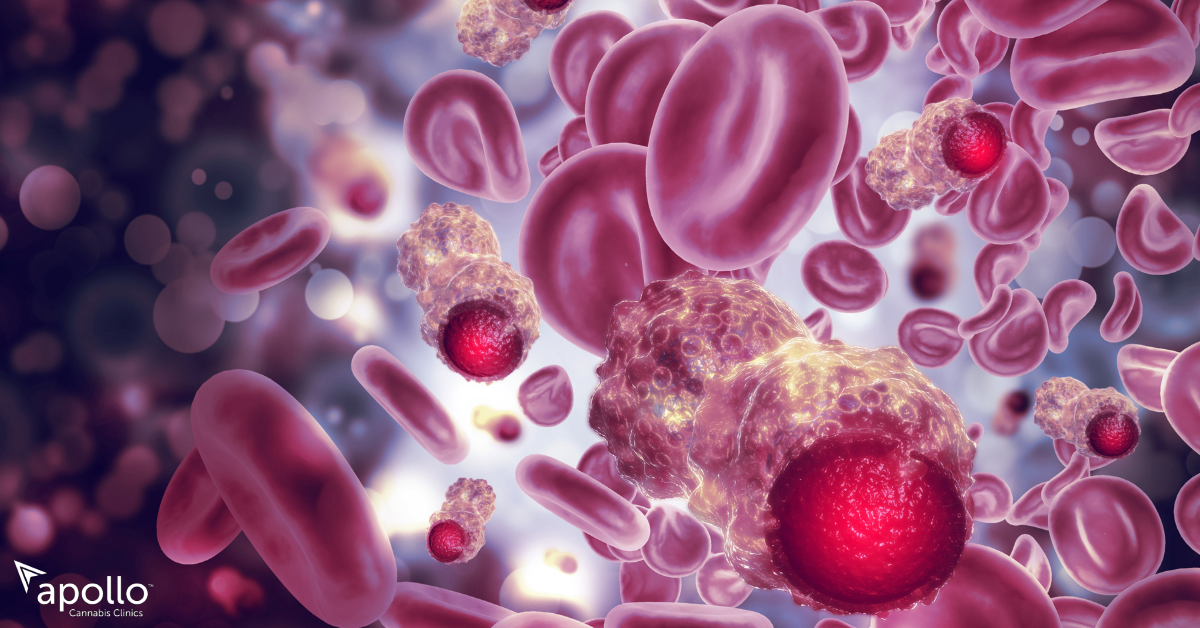
How To Manage CLL Cancer Symptoms with Medical Marijuana
What is CLL Cancer? Chronic Lymphocytic Leukemia (CLL) is a type of blood cancer that affects the bone marrow and lymphatic system. It’s a slow-progressing

If You Are:
If You Are:
HIV weakens the body’s immune system to a point where it can no longer fight bacteria and infections on its own. Medical cannabis can help with HIV/AIDS related symptoms.

Living with HIV/AIDS presents numerous challenges that affect physical health, emotional wellbeing, and overall quality of life. HIV weakens the body’s immune system to a point where it can no longer fight bacteria and infections on its own, creating ongoing healthcare needs and symptom management challenges for those affected.
HIV/AIDS is a lifelong condition with no current cure; however, treatment medications known as antiretrovirals can help suppress the virus and its actions within the body. While these treatments have enhanced over the years and can greatly improve the quality of life of patients with HIV/AIDS, they come with significant side effects that can impact daily functioning and wellbeing.Many Canadians living with HIV/AIDS have found that medical cannabis can help manage both disease symptoms and medication side effects. It is estimated that 14-37% of people living with HIV/AIDS are currently using medical cannabis to offset symptoms, making it one of the more common complementary treatments for this condition.
Human Immunodeficiency Virus (HIV) is a virus that attacks the body’s immune system, specifically targeting CD4 cells (T cells) that help the body fight infection. If left untreated, HIV can progress to Acquired Immunodeficiency Syndrome (AIDS), the most severe stage of HIV infection.
While treatment advances have transformed HIV from a terminal illness to a manageable chronic condition, people living with HIV/AIDS still face numerous challenges:
In Canada, approximately 63,000 people were living with HIV as of 2020, with about 13% unaware of their status. While new treatments have dramatically improved outcomes, managing the day-to-day impact of HIV/AIDS and its treatments remains challenging for many.
Research into cannabis for HIV/AIDS has been ongoing for decades, with promising findings supporting its use as a complementary therapy. Medical cannabis is particularly helpful as a supplemental medication for HIV/AIDS antiretrovirals, helping offset some of the side effects caused by those medications.
The effectiveness of cannabis for HIV/AIDS may be linked to several mechanisms:
Additionally, some preliminary research suggests cannabinoids may have direct effects on the virus itself or on immune function, though these findings are still being investigated and should not be considered a replacement for conventional antiretroviral therapy.
It’s important to note that while research supports cannabis as a complementary therapy, it should be used alongside, not instead of, prescribed antiretroviral medications.
For Canadians living with HIV/AIDS, medical cannabis may offer several potential benefits:
Many patients report improvements in HIV/AIDS-related symptoms, including:
Medical cannabis is particularly valuable in addressing side effects from antiretroviral therapy:
Medical cannabis comes in various forms, each with different onset times, durations, and potential benefits for HIV/AIDS symptom management. Finding the right option depends on your specific symptoms and lifestyle needs.
Many HIV/AIDS patients find that a combination approach works best—perhaps using a faster-acting method for acute nausea and a longer-acting form for overnight appetite and pain management.
Your healthcare provider can help determine which forms might work best based on your specific HIV/AIDS symptoms, antiretroviral regimen, and previous experience with cannabis.
If you’re considering medical cannabis for HIV/AIDS in Canada, here’s how to begin the process:
To determine if medical cannabis may be appropriate for your situation:
Our streamlined process makes it easy:
If approved, you’ll receive:
Our care doesn’t end with your prescription:
Starting medical cannabis treatment for HIV/AIDS is a significant decision. Our team of healthcare professionals specializes in cannabis medicine and can help you navigate this process safely and effectively through online prescription services across Canada.
An important consideration for anyone with HIV/AIDS is how medical cannabis might interact with antiretroviral medications and other treatments.
These interactions could affect how your medications work or potentially cause unwanted effects. This is particularly important for antiretroviral medications, where maintaining proper blood levels is essential for viral suppression.
For your safety, always:
A comprehensive consultation with a healthcare provider at Apollo Cannabis is essential to ensure your treatment plan considers all aspects of your health, providing the best opportunity for successful symptom management while maintaining effective HIV treatment.
Finding the right cannabis dosage for HIV/AIDS symptom management is a personalized process requiring individualized guidance. While we recommend consulting with a healthcare professional for personalized advice, here are some general principles:
These general guidelines are based on standards from The College of Family Physicians of Canada but must be tailored to your specific needs by a healthcare provider during your online consultation.Remember that cannabis affects everyone differently, and finding your optimal dosage may take time and patience. Working with a healthcare provider experienced in cannabis for HIV/AIDS can significantly improve your results when getting an online prescription in Canada.
Find everything you need to know about being a medical cannabis patient below.
Yes, medical cannabis is legal in Canada with a valid prescription. HIV/AIDS is one of the conditions with longer historical use of medical cannabis, making it more likely to qualify for a prescription, especially when managing side effects of antiretroviral treatment.
Cannabis has the potential to interact with some medications, including antiretrovirals. While most interactions are mild, it’s crucial to consult with your healthcare provider about potential interactions specific to your medication regimen. They can help you find a safe approach to using cannabis alongside your HIV treatment.
Yes, one of the most well-established benefits of cannabis for HIV/AIDS is its ability to stimulate appetite and potentially reverse wasting. THC in particular has been shown to increase caloric intake and could help maintain body weight in patients experiencing wasting syndrome.
CBD (cannabidiol) and THC (tetrahydrocannabinol) affect HIV/AIDS symptoms differently:
Yes, many patients use medical cannabis alongside antiretroviral and other HIV-related medications. However, careful monitoring is essential as some interactions are possible. Always inform your healthcare provider about all medications you’re taking to ensure safe treatment.
Medical cannabis prescriptions in Canada typically need renewal every 3-12 months, depending on your healthcare provider’s recommendation and your treatment response. Regular follow-ups help ensure the treatment remains effective and appropriate for managing your HIV/AIDS symptoms.
No, cannabis is not a cure or direct treatment for HIV infection. It should be used as a complementary therapy to help manage symptoms and medication side effects, not as a replacement for antiretroviral therapy. Always continue taking your prescribed HIV medications as directed by your physician.
What is CLL Cancer? Chronic Lymphocytic Leukemia (CLL) is a type of blood cancer that affects the bone marrow and lymphatic system. It’s a slow-progressing

Panic attacks are sudden episodes of intense discomfort or fear, typically ranging from 3-30 minutes. They are characterized by intense and often overlapping physical and

“We have demonstrated that regulated medical cannabis products can be incorporated into the care of cancer patients safely and effectively. After three months, the patients