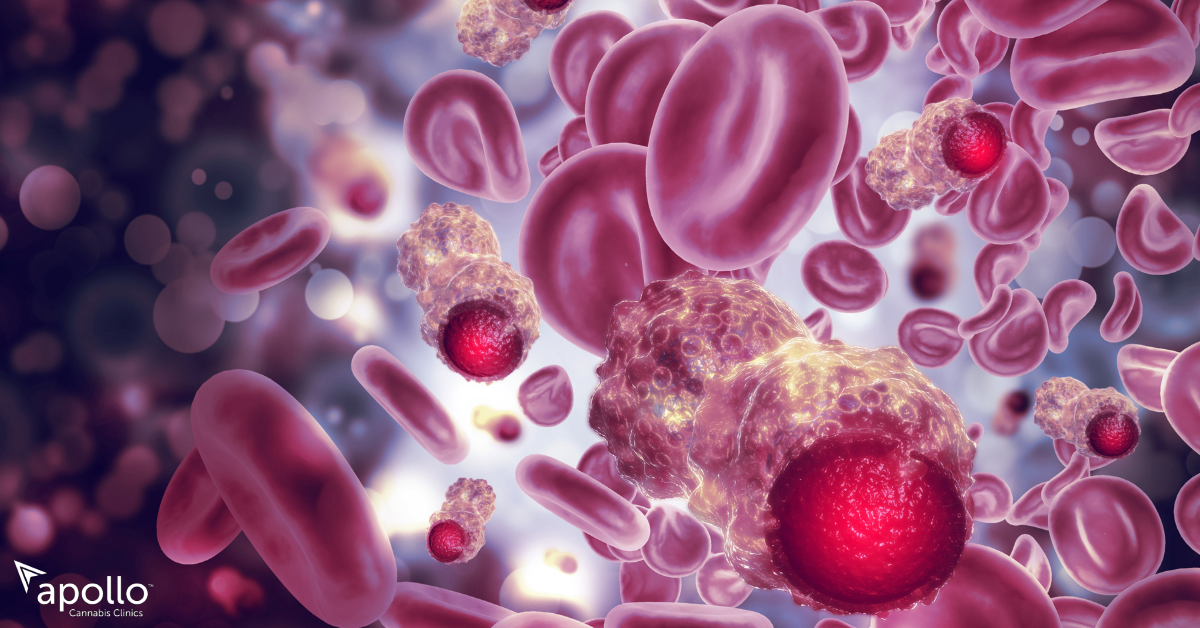
How To Manage CLL Cancer Symptoms with Medical Marijuana
What is CLL Cancer? Chronic Lymphocytic Leukemia (CLL) is a type of blood cancer that affects the bone marrow and lymphatic system. It’s a slow-progressing

If You Are:
If You Are:
Nerve damage can affect a number of different areas depending on what nerves are affected. Medical cannabis has been known to help alleviate some of the symptoms and pain associated with neuropathy.

Living with nerve damage can significantly impact your quality of life, causing persistent pain, uncomfortable sensations, and functional limitations that affect everyday activities. Nerve damage can affect a number of different areas depending on what nerves are affected, leading to a wide range of symptoms that can be challenging to manage with conventional treatments.
Neuropathic pain—pain caused by damage or disease affecting the somatosensory system—is often described as burning, shooting, electric, or stabbing. Unlike nociceptive pain that results from tissue damage, neuropathic pain can persist long after an injury has healed and may become chronic, significantly impacting quality of life.
Many Canadians with nerve damage have found that traditional treatments don’t always provide adequate relief or come with unwanted side effects. Medical cannabis has been known to help alleviate some of the symptoms and pain associated with neuropathy, offering a potential alternative or complementary approach to conventional treatments.
Nerve damage, also known as neuropathy, involves injury or dysfunction of one or more nerves, leading to a range of symptoms depending on which nerves are affected.
Neuropathy can be classified based on the location and types of nerves affected:
Neuropathy can result from various conditions and circumstances:
Symptoms vary depending on the type and location of the affected nerves but may include:
These symptoms can significantly impact quality of life, affecting sleep, mood, ability to work, and social interactions. Chronic neuropathic pain in particular can lead to anxiety, depression, and reduced physical activity, creating a cycle that further impairs overall health and wellbeing.
Research into cannabis for neuropathic pain has shown promising results. Mark Ware, a pain clinician at McGill University in Montreal, has done research on cannabinoids (CB) and how they can affect neuropathic pain. His results have shown that medical cannabis has been successful in producing the desired effect.
The effectiveness of cannabis for nerve damage may be linked to several mechanisms:
Several clinical trials have evaluated cannabis-based medicines for neuropathic pain, with many showing moderate to significant improvement in pain scores compared to placebo. A 2018 review in the Canadian Journal of Pain found that cannabis was at least as effective as existing treatments for certain types of neuropathic pain.
For Canadians struggling with nerve damage and neuropathic pain, medical cannabis may offer several potential benefits:
Many patients report improvements in neuropathy-related symptoms, including:
Others find cannabis helpful as a complementary treatment to address the limitations or side effects of conventional treatments:
Medical cannabis comes in various forms, each with different onset times, durations, and potential benefits for neuropathic pain management. Finding the right option depends on your specific symptoms and lifestyle needs.
Many patients with neuropathic pain find that a combination approach works best—perhaps using a topical application directly on painful areas alongside an oil or capsule for systemic effects.
Your healthcare provider can help determine which forms might work best based on your specific nerve damage, pain patterns, and previous experience with cannabis.
If you’re considering medical cannabis for nerve damage in Canada, here’s how to begin the process:
To determine if medical cannabis may be appropriate for your situation:
Our streamlined process makes it easy:
If approved, you’ll receive:
Our care doesn’t end with your prescription:
Starting medical cannabis treatment for nerve damage is a significant decision. Our team of healthcare professionals specializes in cannabis medicine and can help you navigate this process safely and effectively through online prescription services across Canada.
An important consideration for anyone with nerve damage is how medical cannabis might interact with other medications you may be taking for neuropathy or related conditions.
These interactions could affect how your medications work or potentially cause unwanted effects.
For your safety, always
A comprehensive consultation with a healthcare provider at Apollo Cannabis is essential to ensure your treatment plan considers all aspects of your health, providing the best opportunity for successful symptom management with your online prescription.
Finding the right cannabis dosage for neuropathic pain management is a personalized process requiring individualized guidance. While we recommend consulting with a healthcare professional for personalized advice, here are some general principles:
These general guidelines are based on standards from The College of Family Physicians of Canada but must be tailored to your specific needs by a healthcare provider during your online consultation
Remember that cannabis affects everyone differently, and finding your optimal dosage may take time and patience. Working with a healthcare provider experienced in cannabis for neuropathic pain can significantly improve your results when getting an online prescription in Canada.
Find everything you need to know about being a medical cannabis patient below.
Yes, medical cannabis is legal in Canada with a valid prescription. Neuropathic pain is one of the conditions with stronger evidence for cannabis benefits, making it more likely to qualify for a prescription, especially when conventional treatments have been inadequate.
Medical cannabis may significantly reduce pain for many patients, but complete elimination of neuropathic pain varies by individual. Most patients report a meaningful reduction in pain intensity and improved function rather than complete pain elimination. Cannabis is typically most effective as part of a comprehensive pain management plan.
CBD (cannabidiol) and THC (tetrahydrocannabinol) affect neuropathic pain differently:
CBD (cannabidiol) and THC (tetrahydrocannabinol) affect ADHD symptoms differently:
Yes, many patients use medical cannabis alongside anticonvulsant medications like gabapentin or pregabalin. Some find they can gradually reduce their dosage of these medications when adding cannabis to their regimen, but this should always be done under medical supervision.
The timeline varies by individual and consumption method. Vaporized cannabis typically takes effect within minutes, while oils and capsules may take 30-90 minutes. Some patients notice immediate benefits, while others require several days or weeks of consistent use to experience optimal relief.
With proper dosing and product selection, many patients achieve pain relief with minimal impairment. Low-dose products, CBD-dominant formulations, and topicals can provide benefits with little to no intoxication. Your healthcare provider can help find the right balance between symptom relief and functional capacity.
Some private insurers now offer coverage for medical cannabis, but coverage varies widely. Check with your insurance provider about specific policies. Many patients also qualify for medical cannabis expenses as tax deductions.
What is CLL Cancer? Chronic Lymphocytic Leukemia (CLL) is a type of blood cancer that affects the bone marrow and lymphatic system. It’s a slow-progressing

Panic attacks are sudden episodes of intense discomfort or fear, typically ranging from 3-30 minutes. They are characterized by intense and often overlapping physical and

“We have demonstrated that regulated medical cannabis products can be incorporated into the care of cancer patients safely and effectively. After three months, the patients