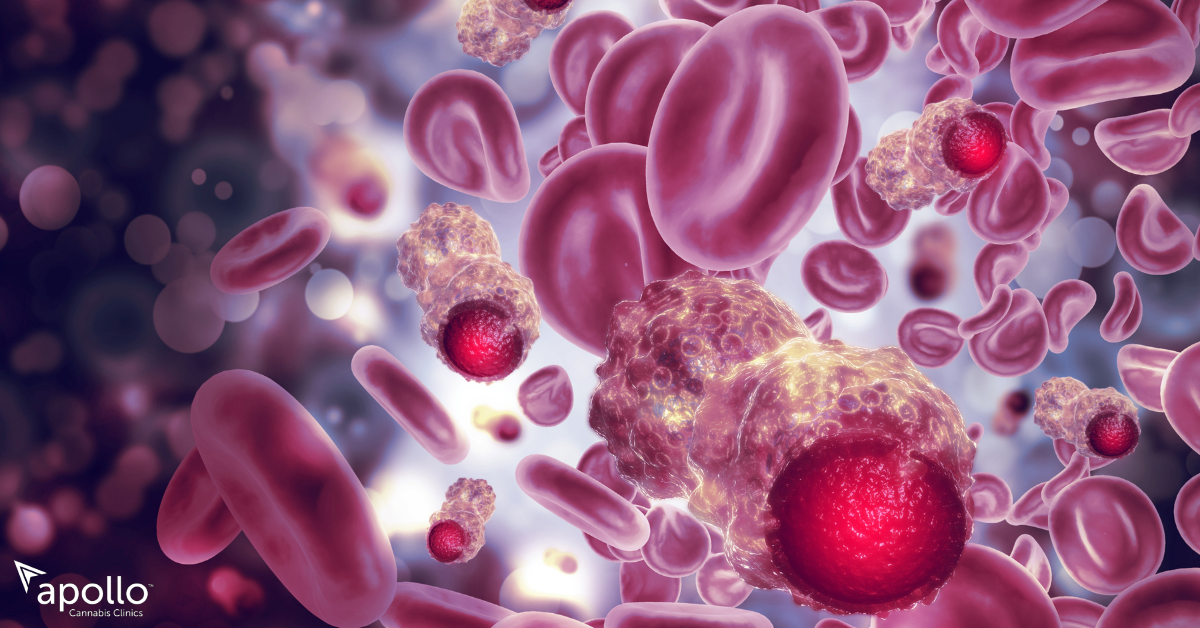
How To Manage CLL Cancer Symptoms with Medical Marijuana
What is CLL Cancer? Chronic Lymphocytic Leukemia (CLL) is a type of blood cancer that affects the bone marrow and lymphatic system. It’s a slow-progressing

If You Are:
If You Are:

Overcoming addiction is one of the most challenging journeys many Canadians face. As substance use disorders continue to affect thousands of lives across the country, traditional recovery approaches don’t always provide complete relief, leading many to seek alternative or complementary options for managing withdrawal symptoms, cravings, and the psychological aspects of addiction.
Addiction recovery manifests differently for each person, influenced by the substance involved, duration of use, individual physiology, and co-occurring conditions. The recovery process typically involves physical withdrawal symptoms, psychological cravings, and addressing underlying factors that contributed to the addiction.
Some common challenges faced by people in addiction recovery include:
Traditional treatments typically involve detoxification, rehabilitation programs, medication-assisted treatment, counselling, and support groups. However, these approaches don’t work optimally for everyone, and many face ongoing symptoms that can increase relapse risk. This reality has led some Canadians to explore medical cannabis as part of their comprehensive recovery plan.
Research into cannabis for addiction recovery is emerging, with promising early results for specific substances of abuse. Studies have shown potential benefits, particularly for opioid, alcohol, and stimulant use disorders, though research is still developing.
The effectiveness of cannabis in addiction recovery may be linked to how it interacts with the body’s endocannabinoid system, which plays a role in regulating stress responses, reward pathways, and emotional processing.
Here’s how cannabis may help:
This interaction between cannabis compounds and neural systems involved in addiction might explain why some people report benefits when using cannabis during recovery, particularly in managing symptoms that often lead to relapse.
It’s important to note that cannabis itself carries dependence potential, though typically lower than many substances of abuse. Cannabis should always be used under proper medical guidance in addiction recovery contexts, with careful consideration of individual history and recovery goals.
For Canadians in addiction recovery, medical cannabis may offer several potential benefits:
Many patients report improvements in various recovery-related symptoms, including:
Others find cannabis helpful as part of a harm reduction strategy:
| Traditional Recovery Concerns | Potential Cannabis Benefits |
| High dropout rates from discomfort | May improve comfort and treatment adherence |
| Limited options for withdrawal management | Alternative approach for symptom relief |
| Difficulty addressing both physical and psychological aspects | Potential to address multiple symptoms simultaneously |
| Triggers and cravings leading to relapse | Additional tool for craving management |
While not everyone experiences these benefits, and cannabis isn’t appropriate for all recovery situations, many patients report meaningful improvements when incorporating medical cannabis into their recovery plan under proper medical supervision and as part of a comprehensive approach.
Medical cannabis comes in various forms, each with different onset times, durations, and potential benefits for addiction recovery. Finding the right option depends on your specific recovery needs, substance history, and treatment goals.
Many patients in addiction recovery find that CBD-dominant products are most appropriate, especially in early recovery, with carefully monitored THC-containing products introduced if needed for specific symptoms.
Your healthcare provider can help determine which forms might work best based on your specific substance use history, recovery stage, co-occurring conditions, and individual response patterns.
If you’re considering medical cannabis as part of your addiction recovery in Canada, here’s how to begin the process:
To determine if medical cannabis may be appropriate for your situation:
Our streamlined process makes it easy:
If approved, you’ll receive:
Our care doesn’t end with your prescription:
Starting medical cannabis treatment for addiction recovery is a significant decision that should complement, not replace, your overall recovery plan. Our team of healthcare professionals specializes in both addiction medicine and cannabis therapeutics, helping you navigate this process safely through online prescription services across Canada.
An important consideration for anyone in addiction recovery is how medical cannabis might interact with other medications you may be taking, including those specifically for addiction treatment.
These interactions could affect how your medications work or potentially cause unwanted effects.
For your safety, always:
A comprehensive consultation with a healthcare provider experienced in both addiction medicine and cannabis therapeutics is essential to ensure your treatment plan considers all aspects of your recovery journey, providing the best opportunity for successful symptom management with your online prescription.
Finding the right cannabis approach for addiction recovery requires careful, individualized guidance with an emphasis on minimizing risks while maximizing benefits. While we recommend consulting with a healthcare professional for personalized advice, here are some general principles:
These general guidelines must be tailored to your specific recovery situation by a healthcare provider during your online consultation.
Remember that cannabis affects everyone differently, and this is especially true for those with substance use histories. Working with healthcare providers experienced in both addiction recovery and cannabis medicine can significantly improve your results and safety when getting an online prescription in Canada.
Find everything you need to know about being a medical cannabis patient below.
Yes, medical cannabis is legal in Canada with a valid prescription. While addiction recovery isn’t automatically qualifying, healthcare providers can prescribe cannabis if they determine it may benefit specific symptoms related to your recovery, especially when conventional treatments have been inadequate.
Cannabis does carry some dependence potential, though typically lower than many substances of abuse. This risk is managed through careful medical supervision, appropriate product selection (often CBD-dominant), controlled dosing, and integration with a comprehensive recovery plan. Your healthcare provider will regularly assess for any concerning use patterns.
This is a personal decision that varies by individual and program. Some abstinence-based programs view prescribed medications, including medical cannabis, as acceptable when used as directed for medical purposes. Others maintain strict abstinence from all substances. It’s important to have open discussions with your recovery supporters about how medical cannabis might fit into your particular recovery approach.
Some private insurers now offer coverage for medical cannabis, but coverage varies widely. Coverage specific to addiction recovery may be more limited. Check with your insurance provider about specific policies. Many patients also qualify for medical cannabis expenses as tax deductions.
Research suggests cannabis, particularly CBD, may help manage some opioid withdrawal symptoms including anxiety, insomnia, pain, and nausea. However, it’s not a complete replacement for established opioid replacement therapies or medically supervised detoxification. It’s typically most effective as a complementary approach within a comprehensive treatment program.
CBD (cannabidiol) and THC (tetrahydrocannabinol) offer different benefits in recovery contexts:
Yes, many patients use medical cannabis alongside MAT medications like methadone or buprenorphine. However, these combinations require careful monitoring and dose adjustment. Always inform all healthcare providers about your complete treatment regimen to ensure safe and effective care.
For patients in addiction recovery, medical cannabis prescriptions in Canada typically require more frequent monitoring and renewal, often every 1-3 months initially. This allows your healthcare provider to closely monitor your response and make adjustments to support your recovery goals.
If cannabis use appears to trigger cravings or leads to concerning behaviours, it may not be the right approach for your recovery. Immediately discuss these experiences with your healthcare provider, who can help you explore alternative options. Your recovery and wellbeing are always the primary focus.
Open communication is essential. Consider these approaches:
Research in this area is still emerging, with most studies focusing on specific substances of abuse. The strongest evidence exists for cannabis as an adjunct in opioid use disorder, with some promising research for alcohol use disorder as well. Your healthcare provider can discuss the current evidence as it relates to your specific recovery situation.
What is CLL Cancer? Chronic Lymphocytic Leukemia (CLL) is a type of blood cancer that affects the bone marrow and lymphatic system. It’s a slow-progressing
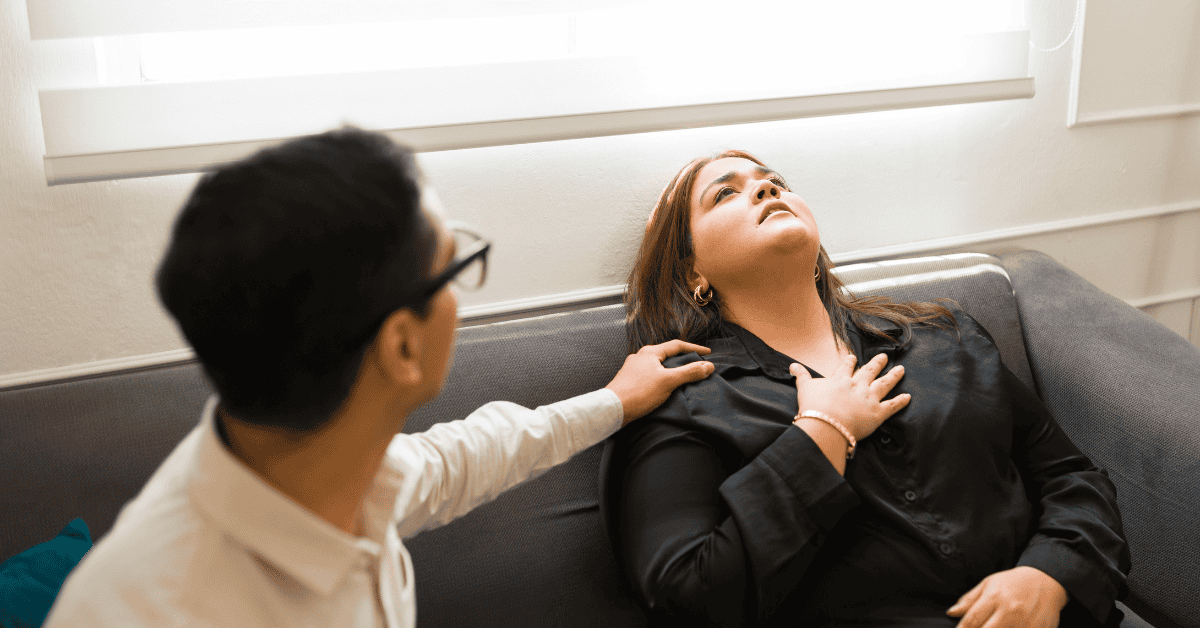
Panic attacks are sudden episodes of intense discomfort or fear, typically ranging from 3-30 minutes. They are characterized by intense and often overlapping physical and
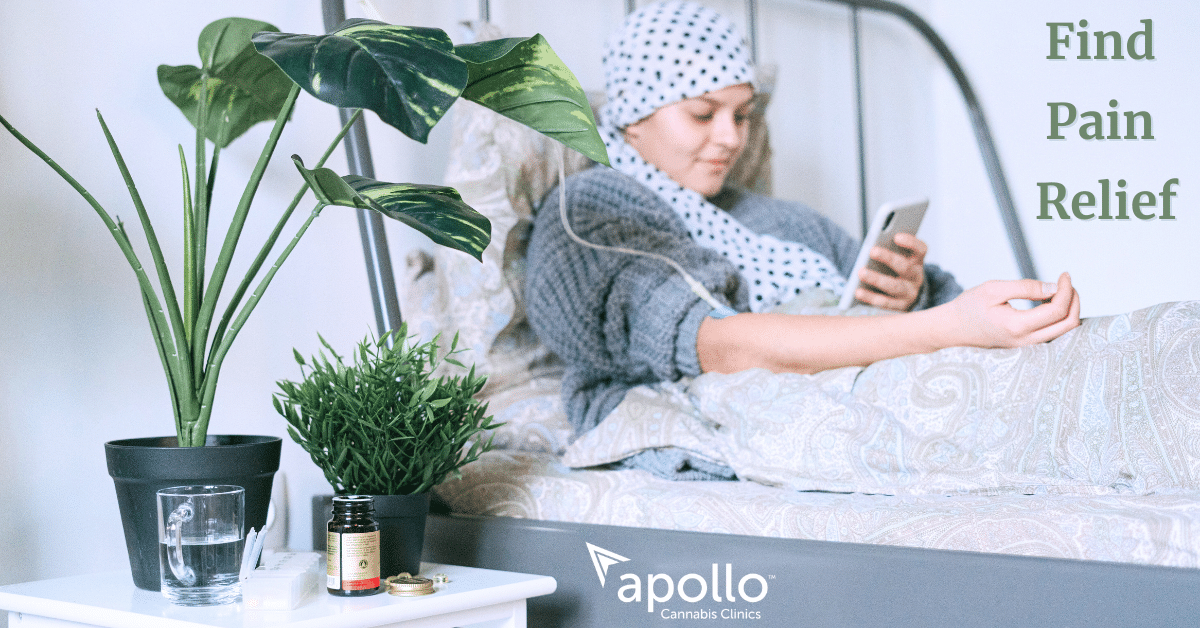
“We have demonstrated that regulated medical cannabis products can be incorporated into the care of cancer patients safely and effectively. After three months, the patients