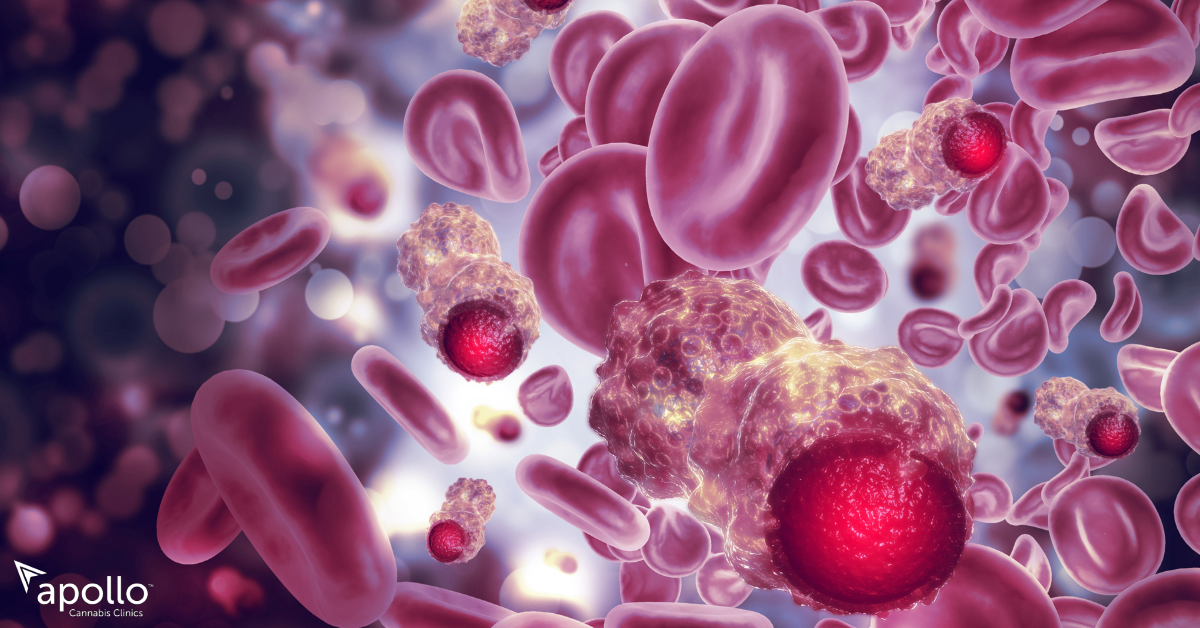
How To Manage CLL Cancer Symptoms with Medical Marijuana
What is CLL Cancer? Chronic Lymphocytic Leukemia (CLL) is a type of blood cancer that affects the bone marrow and lymphatic system. It’s a slow-progressing

If You Are:
If You Are:
Explore how medical cannabis is emerging as a promising alternative for managing phantom limb pain, offering potential relief where traditional treatments may fall short.

Living with phantom limb pain can be an extraordinarily challenging experience. Following an amputation, approximately 50-80% of individuals experience painful sensations that seem to originate from the limb that is no longer there. This phenomenon, known as phantom limb pain, can significantly impact quality of life, sleep, emotional wellbeing, and rehabilitation progress.
Phantom limb pain manifests differently for each person, but common sensations include burning, shooting, stabbing, cramping, or crushing pain that feels as though it’s coming from the missing limb. These sensations can range from mild to severe and may be constant or intermittent, lasting seconds to days.
Some common challenges faced by people with phantom limb pain include:
Traditional treatments typically involve medications (such as anticonvulsants, antidepressants, opioids), non-invasive therapies (mirror therapy, TENS, virtual reality), and more invasive approaches (nerve blocks, spinal cord stimulation). However, these approaches don’t work optimally for everyone, and many carry significant side effects. This reality has led many Canadian amputees to explore alternative or complementary options, including medical cannabis, for managing this complex pain condition.
Research into cannabis for neuropathic pain conditions, including phantom limb pain, is growing, with promising evidence suggesting cannabinoids may help address this challenging condition through multiple mechanisms.
The effectiveness of cannabis for phantom limb pain may be linked to how cannabinoids interact with the body’s endocannabinoid system, which plays a crucial role in pain modulation, particularly neuropathic pain that results from nerve damage, a key component of phantom limb sensations.
Here’s how cannabis may help:
This multifaceted approach to pain management might explain why some amputees report significant relief from phantom limb pain when using cannabis, sometimes after years of inadequate relief from conventional treatments.
It’s important to note that while research shows promise, larger clinical studies specifically on phantom limb pain are still needed. Individual responses vary, and cannabis should be used under proper medical guidance, especially for complex pain conditions.
For Canadians with phantom limb pain, medical cannabis may offer several potential benefits:
Many patients report improvements in various aspects of phantom pain, including:
Beyond direct pain relief, cannabis may help address related challenges:
Medical cannabis comes in various forms, each with different onset times, durations, and potential benefits for phantom limb pain management. Finding the right option depends on your specific pain patterns, lifestyle, and treatment goals.
Many phantom limb pain patients find that a combination approach works best – perhaps using a longer-acting oil for baseline pain control with a faster-acting option for breakthrough pain episodes.
Your healthcare provider can help determine which forms might work best based on your specific pain characteristics, amputation type, lifestyle considerations, and treatment goals.
If you’re considering medical cannabis for phantom limb pain in Canada, here’s how to begin the process:
To determine if medical cannabis may be appropriate for your situation:
Our streamlined process makes it easy:
If approved, you’ll receive:
Our care doesn’t end with your prescription:
Starting medical cannabis treatment for phantom limb pain is a significant decision that should complement, not replace, comprehensive pain management. Our team of healthcare professionals specializes in cannabis medicine and can help you navigate this process safely and effectively through online prescription services across Canada.
An important consideration for anyone with phantom limb pain is how medical cannabis might interact with other medications you may be taking as part of your pain management or rehabilitation.
These interactions could affect how your medications work or potentially cause unwanted effects.
For your safety, always:
A comprehensive consultation with a healthcare provider experienced in both pain management and cannabis medicine is essential to ensure your treatment plan considers all aspects of your condition, providing the best opportunity for successful pain control with your online prescription.
Finding the right cannabis approach for phantom limb pain requires individualized guidance. While we recommend consulting with a healthcare professional for personalized advice, here are some general principles:
These general guidelines must be tailored to your specific phantom pain characteristics, amputation type, and overall health by a healthcare provider during your online consultation.
Remember that finding the optimal approach for phantom limb pain may take time and patience. Working with healthcare providers experienced in both pain management and cannabis medicine can significantly improve your results when getting an online prescription in Canada.
Find everything you need to know about being a medical cannabis patient below.
Yes, medical cannabis is legal in Canada with a valid prescription. Neuropathic pain conditions like phantom limb pain are typically considered qualifying conditions due to the growing evidence supporting cannabinoids for these difficult-to-treat pain syndromes.
Complete elimination of phantom pain is uncommon with any treatment, including cannabis. However, many patients report significant reduction in pain intensity and frequency, as well as improved quality of life. A realistic goal is typically meaningful pain reduction and better function rather than complete pain elimination.
Some private insurers now offer coverage for medical cannabis, particularly for pain conditions. Coverage varies widely, so check with your insurance provider about specific policies. Many patients also qualify for medical cannabis expenses as tax deductions. Additionally, veterans with service-related amputations may have access to coverage through Veterans Affairs Canada.
THC (tetrahydrocannabinol) and CBD (cannabidiol) offer different benefits for phantom pain:
Yes, many patients use medical cannabis alongside opioids. In fact, some research suggests cannabis may enhance opioid analgesia, potentially allowing for reduced opioid dosages (opioid-sparing effect). However, these combinations require careful medical supervision as both substances can cause sedation. Always inform your healthcare providers about all medications you’re taking.
Some patients notice effects on their pain within hours of initial dosing, particularly with inhalation methods. Others require several days or weeks of consistent use before experiencing significant benefits, especially when using oils or capsules. Finding the optimal formulation and dosage often requires patience and systematic tracking of response.
Yes, many amputees experience both phantom pain and residual limb pain. Cannabis may help with both types, though sometimes through different mechanisms. While phantom pain involves central nervous system changes, residual limb pain often has inflammatory and neuropathic components that may respond well to the anti-inflammatory and analgesic properties of cannabinoids.
Many patients find cannabis complements other treatments rather than replacing them. For example, some report that cannabis makes them more receptive to mirror therapy by reducing anxiety and enhancing focus. A comprehensive approach to phantom limb pain typically yields the best results, with cannabis potentially serving as one valuable component.
Medical cannabis prescriptions in Canada typically need renewal every 3-6 months, depending on your healthcare provider’s recommendation and your response. Regular follow-ups help ensure the treatment remains effective and appropriate for your phantom limb pain management.
Not everyone responds the same way to medical cannabis. If you don’t experience adequate benefits after a reasonable trial period or have unwanted side effects, your healthcare provider can help you explore other treatment options or different cannabis formulations. There are multiple approaches to phantom limb pain management, and finding the right combination often takes time.
Many amputees report that beyond physical pain relief, cannabis helps address the psychological aspects of limb loss, including anxiety, depression, and post-traumatic stress that sometimes accompany traumatic amputations. This multifaceted effect on both physical and emotional wellbeing may contribute to its overall benefit for some individuals.
Open communication is essential. Consider these approaches:
What is CLL Cancer? Chronic Lymphocytic Leukemia (CLL) is a type of blood cancer that affects the bone marrow and lymphatic system. It’s a slow-progressing

Panic attacks are sudden episodes of intense discomfort or fear, typically ranging from 3-30 minutes. They are characterized by intense and often overlapping physical and

“We have demonstrated that regulated medical cannabis products can be incorporated into the care of cancer patients safely and effectively. After three months, the patients