How To Manage CLL Cancer Symptoms with Medical Marijuana
What is CLL Cancer? Chronic Lymphocytic Leukemia (CLL) is a type of blood cancer that affects the bone marrow and lymphatic system. It’s a slow-progressing

If You Are:
If You Are:
No brain injury is the same. Here we explore how medical cannabis can play a role in symptom relief.
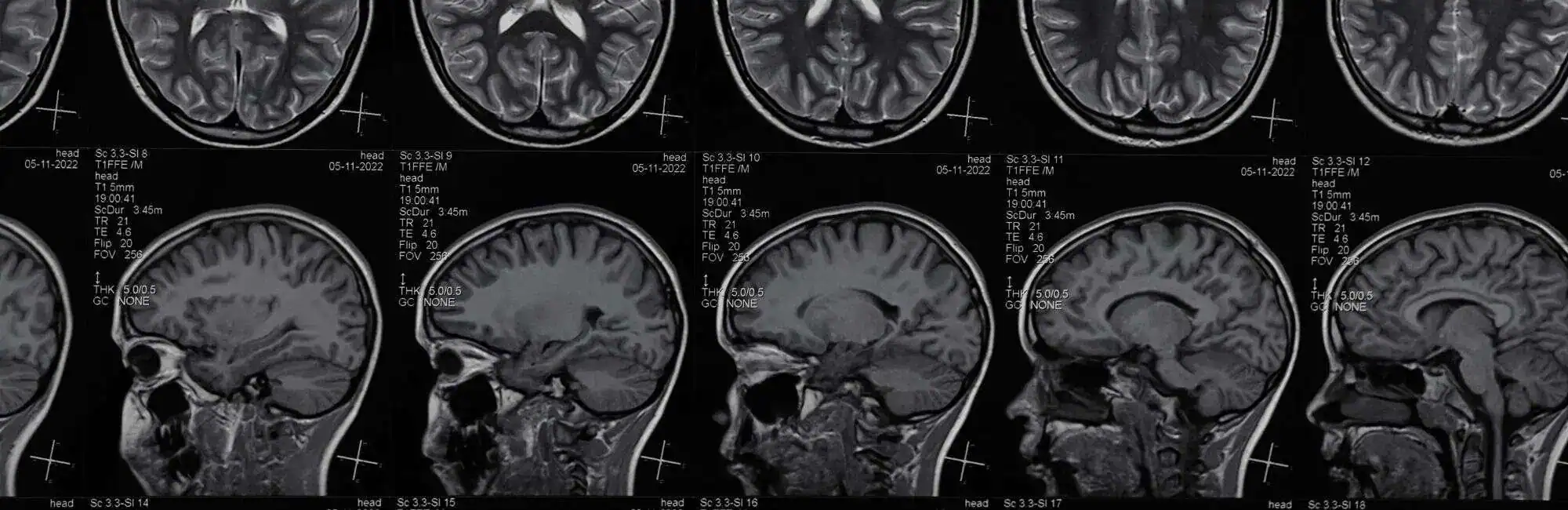
Living with a traumatic brain injury (TBI) presents complex, ongoing challenges that can dramatically alter daily life and functioning. As a leading cause of disability in Canada affecting over 160,000 people annually, TBI creates a constellation of physical, cognitive, and emotional symptoms that often persist long after the initial injury has healed.
Traumatic brain injury manifests differently in each person, influenced by factors such as injury location, severity, and individual characteristics. While no two brain injuries are identical, many people experience persistent symptoms that significantly impact quality of life and may not respond adequately to conventional treatments.
Some common challenges faced by people with TBI include:
Research into cannabis for traumatic brain injury is growing, with promising evidence suggesting cannabinoids may offer both neuroprotective benefits and symptom relief through multiple mechanisms.
The potential effectiveness of cannabis for TBI may be linked to how cannabinoids interact with the endocannabinoid system, which plays crucial roles in neural health, inflammation regulation, and recovery after brain injury.
Here’s how cannabis may help:
This multifaceted approach might explain why some TBI patients report improvements across several symptom domains when using cannabis, often with fewer side effects than some conventional medications.
Particularly noteworthy is research suggesting the endocannabinoid system is activated following brain injury as part of the body’s natural defense mechanism, with animal studies showing that cannabinoids administered shortly after TBI may help reduce brain swelling and improve recovery outcomes.
It’s important to note that while research shows promise, large clinical trials in humans with TBI are still needed. Individual responses vary, and cannabis should be used under proper medical guidance as part of a comprehensive care plan, with special attention to the unique considerations of brain injury.
For Canadians with traumatic brain injury, medical cannabis may offer several potential benefits:
Many patients report improvements in various TBI-related symptoms, including:
Beyond direct symptom relief, cannabis may help address broader concerns:
Medical cannabis comes in various forms, each with different onset times, durations, and potential benefits for TBI symptom management. Finding the right option depends on your specific symptoms, cognitive considerations, and treatment goals.
Many TBI patients find that CBD-dominant products or balanced formulations with careful THC dosing work best, as brain injury can sometimes increase sensitivity to THC’s psychoactive effects. A thoughtful, individualized approach is essential.
Your healthcare provider can help determine which forms might work best based on your specific injury characteristics, symptom patterns, cognitive status, and treatment goals.
If you’re considering medical cannabis for traumatic brain injury management in Canada, here’s how to begin the process:
To determine if medical cannabis may be appropriate for your situation:
Our streamlined process makes it easy:
If approved, you’ll receive:
Our care doesn’t end with your prescription:
Starting medical cannabis treatment for traumatic brain injury is a significant decision that should complement, not replace, comprehensive rehabilitation and medical care. Our team of healthcare professionals specializes in cannabis medicine and can help you navigate this process safely and effectively through online prescription services across Canada.
An important consideration for anyone with a traumatic brain injury is how medical cannabis might interact with other medications you may be taking as part of your treatment plan.
These interactions could affect how your medications work or potentially cause unwanted effects.
For your safety, always:
A comprehensive consultation with a healthcare provider experienced in both brain injury management and cannabis medicine is essential to ensure your treatment plan considers all aspects of your condition, providing the best opportunity for successful symptom management with your online prescription.
Finding the right cannabis approach for traumatic brain injury requires especially careful, individualized guidance. While we recommend consulting with a healthcare professional for personalized advice, here are some general principles particularly relevant to TBI:
These general guidelines must be tailored to your specific TBI symptoms and cognitive status by a healthcare provider during your online consultation.
Remember that finding the optimal approach for TBI symptom management requires patience, careful observation, and ongoing communication with healthcare providers. Working with professionals experienced in both brain injury and cannabis medicine can significantly improve your results when getting an online prescription in Canada.
Find everything you need to know about being a medical cannabis patient below.
Yes, medical cannabis is legal in Canada with a valid prescription. While TBI isn’t automatically qualifying in all provinces, healthcare providers can prescribe cannabis if they determine it may benefit your condition, especially when conventional treatments have been inadequate for symptom management.
Post-concussion syndrome—persistent symptoms following a mild TBI or concussion—may respond to cannabis treatment. Many patients report improvements in post-concussive headaches, sleep disturbances, and mood changes. The anti-inflammatory properties of cannabinoids may be particularly relevant to addressing the neuroinflammatory component of post-concussion syndrome.
This is an important consideration that requires individualized assessment. When used appropriately at therapeutic doses (particularly with CBD-dominant products), cannabis should not impair cognitive recovery and may actually support it by improving sleep, reducing pain, and decreasing stress. However, excessive THC or inappropriate dosing could potentially impact cognition, which is why medical supervision and careful product selection are essential.
Some private insurers now offer coverage for medical cannabis, but coverage varies widely. Check with your insurance provider about specific policies. Many patients also qualify for medical cannabis expenses as tax deductions. Additionally, those with TBI resulting from workplace injuries or motor vehicle accidents may have coverage through workers’ compensation or auto insurance.
CBD (cannabidiol) and THC (tetrahydrocannabinol) offer different benefits for TBI:
For the subset of TBI patients who develop post-traumatic seizures, cannabis, particularly CBD, may offer benefits. CBD has recognized anticonvulsant properties (as evidenced by FDA-approved Epidiolex for certain seizure disorders) and may help reduce seizure frequency or severity in some cases. This should always be managed in coordination with a neurologist, especially if you’re taking other anticonvulsant medications.
Post-traumatic headaches often respond poorly to conventional headache medications. Some patients find cannabis provides more effective relief through multiple mechanisms: reducing neuroinflammation, modulating pain signalling, and addressing associated symptoms like sleep disturbance and anxiety that can trigger headaches. The potential to reduce multiple symptoms simultaneously is a significant advantage over many single-target headache medications.
Medical cannabis prescriptions in Canada typically need renewal every 3-6 months, depending on your healthcare provider’s recommendation and your response. Regular follow-ups help ensure the treatment remains effective and appropriate for your TBI symptoms.
If you experience increased cognitive symptoms, this typically indicates the product or dosage isn’t right for you. Common adjustments include:
Always report these effects to your healthcare provider, who can help modify your approach for better results.
Many TBI patients report cannabis helps manage the emotional challenges that often accompany brain injury, including irritability, mood swings, anxiety, and depression. These benefits may result from direct effects on neurotransmitter systems and indirect effects through improved sleep and pain relief. For some patients, this emotional regulation support is as valuable as the physical symptom relief.
Open communication is essential. Consider these approaches:
Sleep disturbances are among the most common and debilitating TBI symptoms, and many patients report significant improvements with cannabis. Cannabinoids may help regulate sleep-wake cycles, reduce pain that interferes with sleep, and calm the heightened neural activity that can prevent restful sleep after brain injury. Improved sleep often leads to cascading benefits in other symptom domains, including cognition, mood, and pain sensitivity.
What is CLL Cancer? Chronic Lymphocytic Leukemia (CLL) is a type of blood cancer that affects the bone marrow and lymphatic system. It’s a slow-progressing

Panic attacks are sudden episodes of intense discomfort or fear, typically ranging from 3-30 minutes. They are characterized by intense and often overlapping physical and

“We have demonstrated that regulated medical cannabis products can be incorporated into the care of cancer patients safely and effectively. After three months, the patients